GPIO - General Porpuse Input/Output
Translation of the original in Catalan. Read it in: CatalàCastellano
This acronym is usually used in embedded devices, GPIO devices provide us with input and output ports (I/O) that can be configured either as input or output ports. On these ports we can run BUS protocols, such as I²C, SPI and SMBus. Often using GPIO chips is a cheaper solution than using microcontrollers.
Since this explanation is very generic, the best thing is to talk about a very simple example of what a GPIO is for in an embedded device. The Linksys WRT54G for example, has a GPIO that doesn't use all of its PINs. So it's a device we all have within reach and with which, through linux, we can start playing with the GPIO. At comesfa.org there is an article entitled: Connecting a relay to a Linksys WRT54G where this GPIO I was telling you about is used to connect a relay through which we can turn devices on and off.
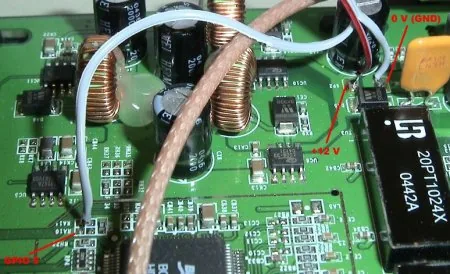
A small trick that we can often do with the GPIO pins is to connect an LED directly to them, often if we configure the pin as an output and connect the other leg of the LED to ground it's enough to turn the LED on and off whenever we want. In any case, if you don't want to fry the LED, I recommend you look with the tester at what voltage the pin gives in the activated state, since you never know what there might be. If you look at the previous article I mentioned from comesfa, you'll see a piece of C code that shows just how simple it will be to control whether the LED turns on or off.