layer 4 protocol: SCTP (Stream Control Transmission Protocol)
Translation of the original in Catalan. Read it in: CatalàCastellano
While browsing the net a few days ago I found a short IBM document that talked about a protocol I've known for a long time but that I had never stopped to think about how it worked inside. It's a transport layer protocol that tries to be a much more precise and effective tool for some of the problems that the TCP and UDP protocols present when transporting streaming applications on top of them. Despite being aimed at multimedia applications it can be used for many other applications.
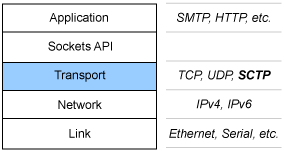
Rather than summarising the applications that are optimal to run on this relatively new protocol (the RFC is from the year 2000) what I found very interesting and want to explain a bit here are two features of this protocol that I knew nothing about:
1) Multi-homing
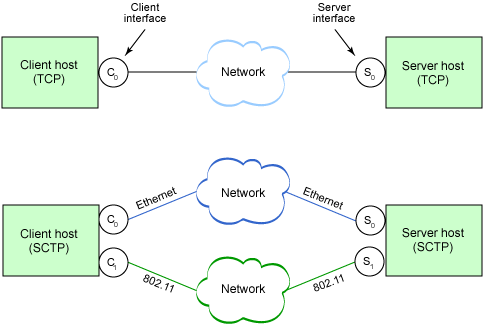
On a link we can direct the traffic from one host to another through more than one network interface and more than one IP. Unlike the TCP protocol, communications are not established between a socket joining two hosts, but SCTP lets us establish connections that allow two hosts to be connected through more than one interface simultaneously. The surprising thing is that the transport protocol itself, just like TCP does, takes care of delivering the packets in order to the application layer.
2) Multi-streaming
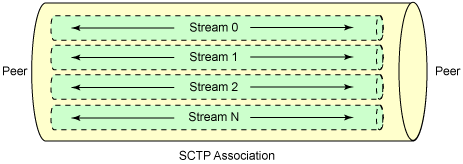
Each SCTP packet has an association of streams, that is, multiple streams inside it. The importance of this is that, for example, when we are waiting for a retransmission after having lost a packet; this does not affect the other streams of the association of streams. This is the most serious problem we have in TCP, because if we are missing the initial packet this block of information that we're missing blocks the rest of the information we have already received. That's why it's not at all optimal to work on TCP connections if we are using applications based on a data stream. Apart from the problems of traffic overload involved in having to carry a header as heavy as TCP's, in protocols that depend so much on channel latency.
The document also tells us about other very interesting features of this transport protocol. For example, that to negotiate the opening of a link it's no longer done with a three-way handshake but instead an improved system is used that intrinsically avoids SYN flood problems. The rest of the features I haven't found especially interesting so if you want to know them I invite you to read the document that inspired me to write this: Better networking with SCTP (local).